

Namibia is unlike anywhere else, and the first thing it does is slow you down.
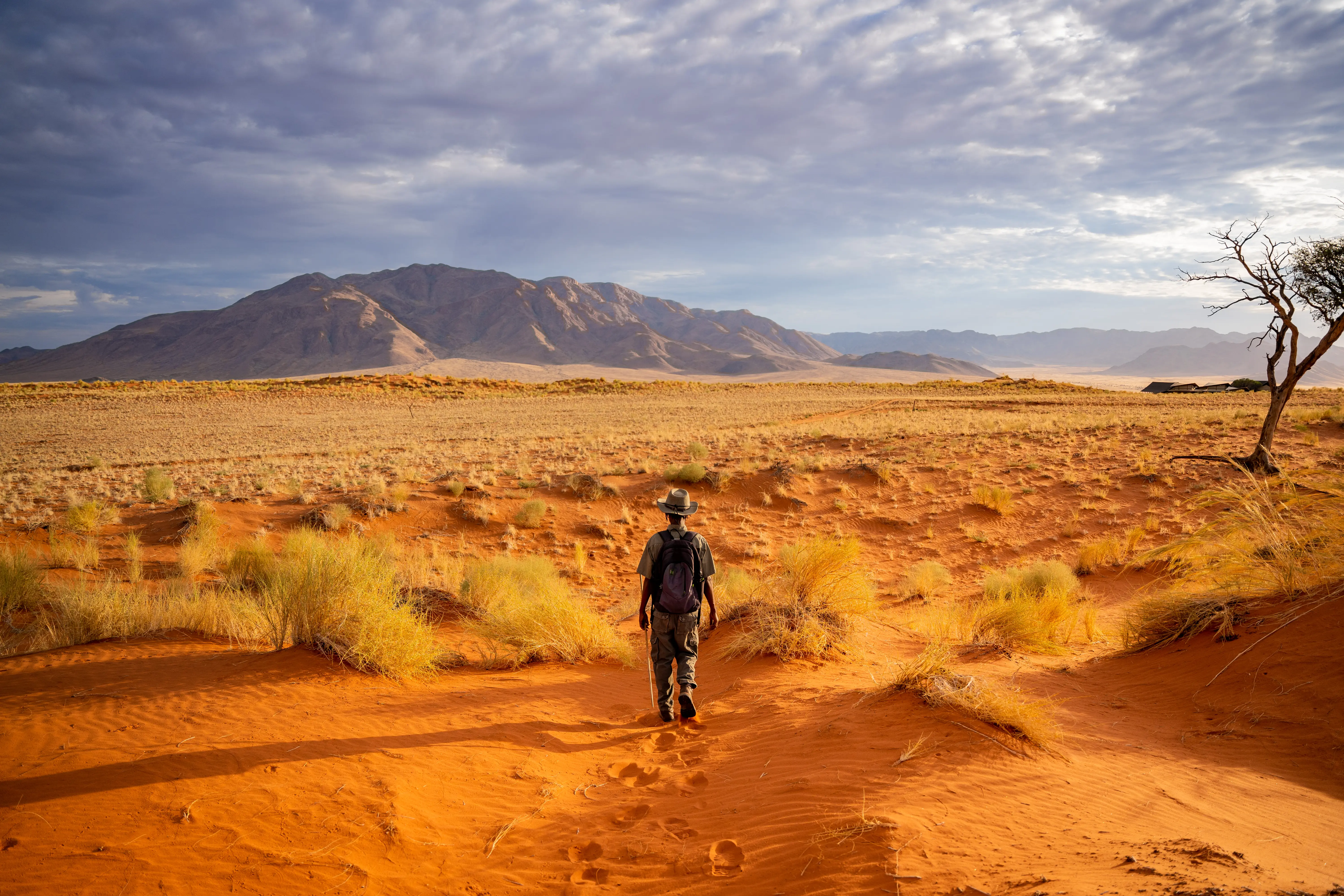
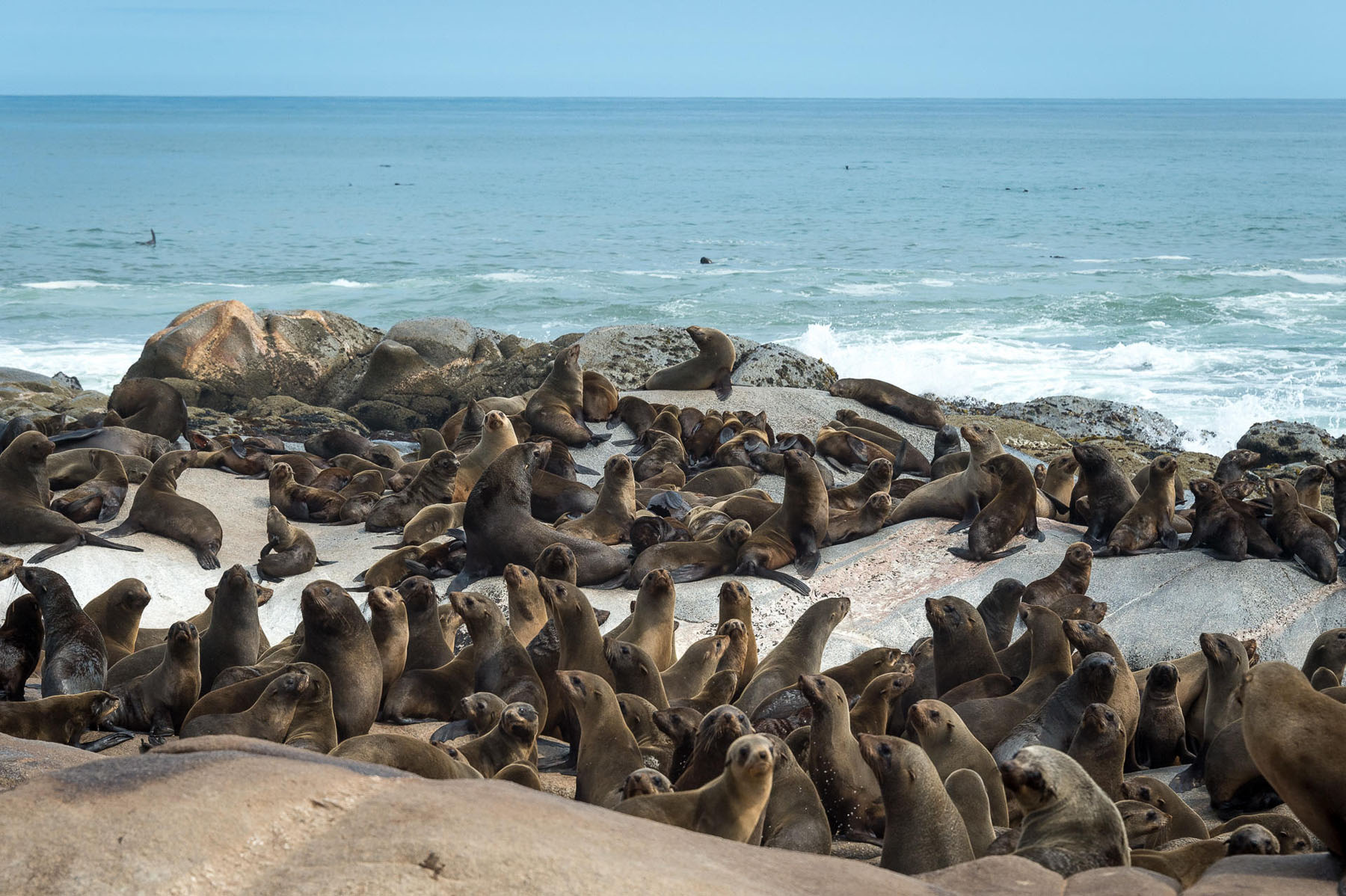
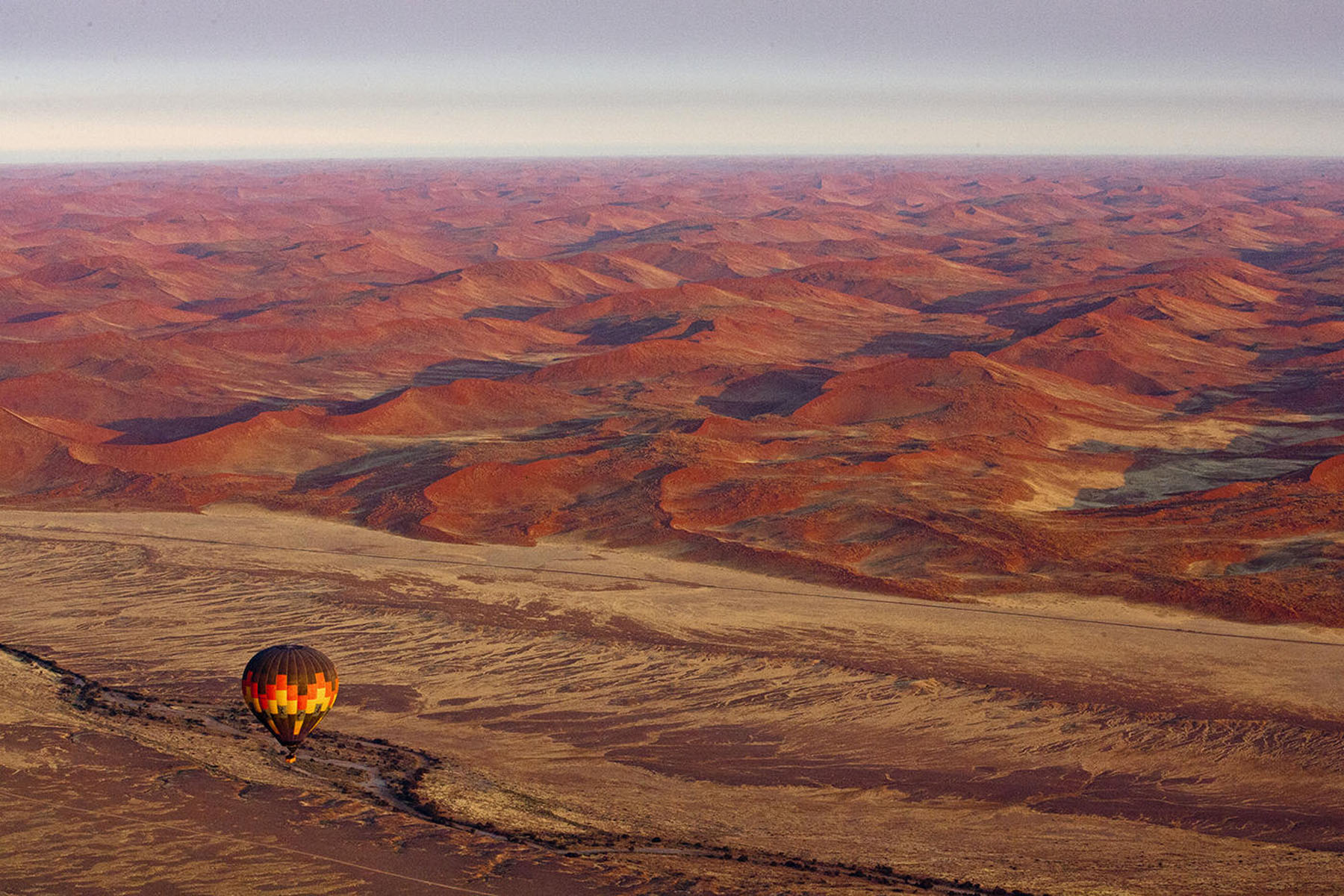
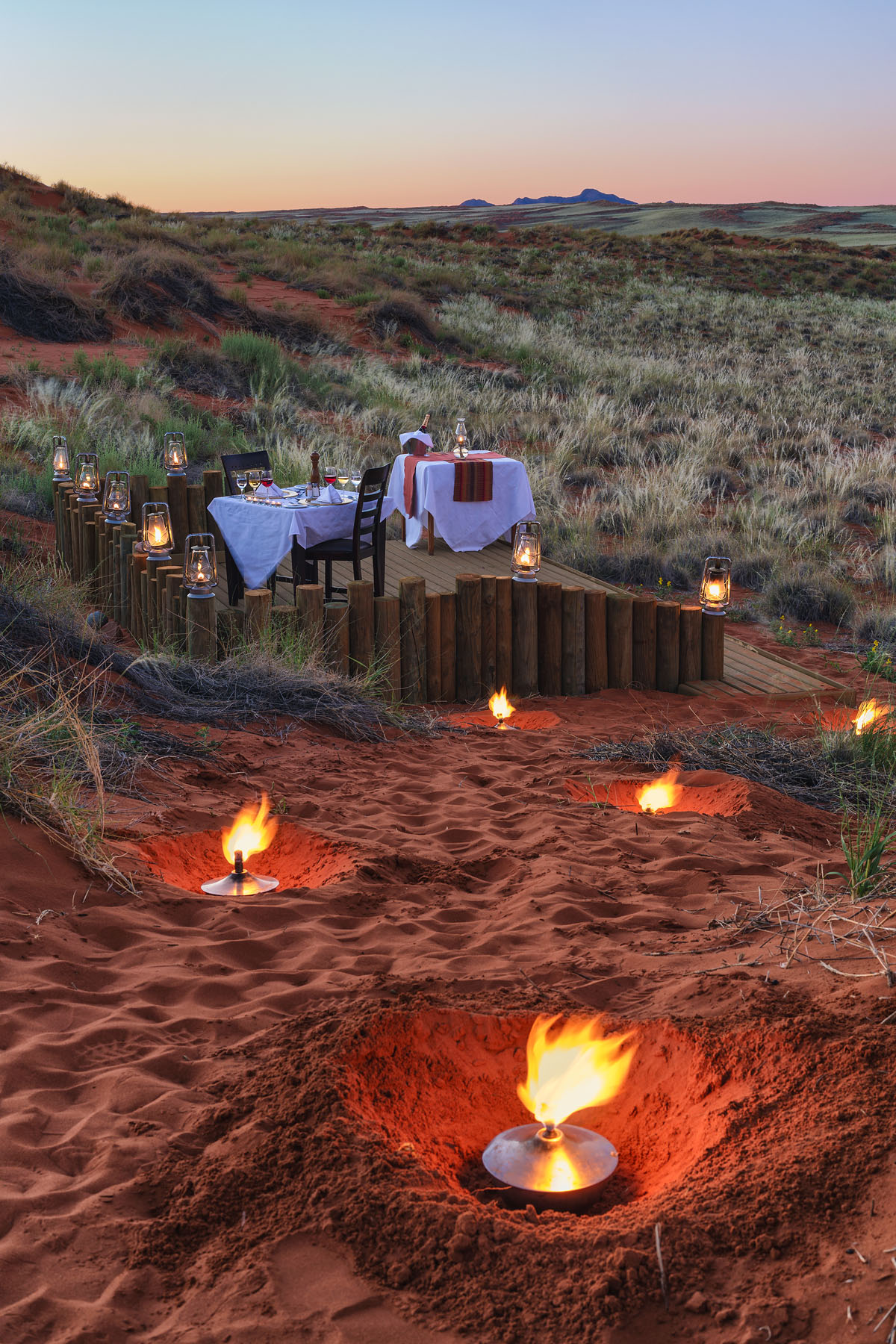
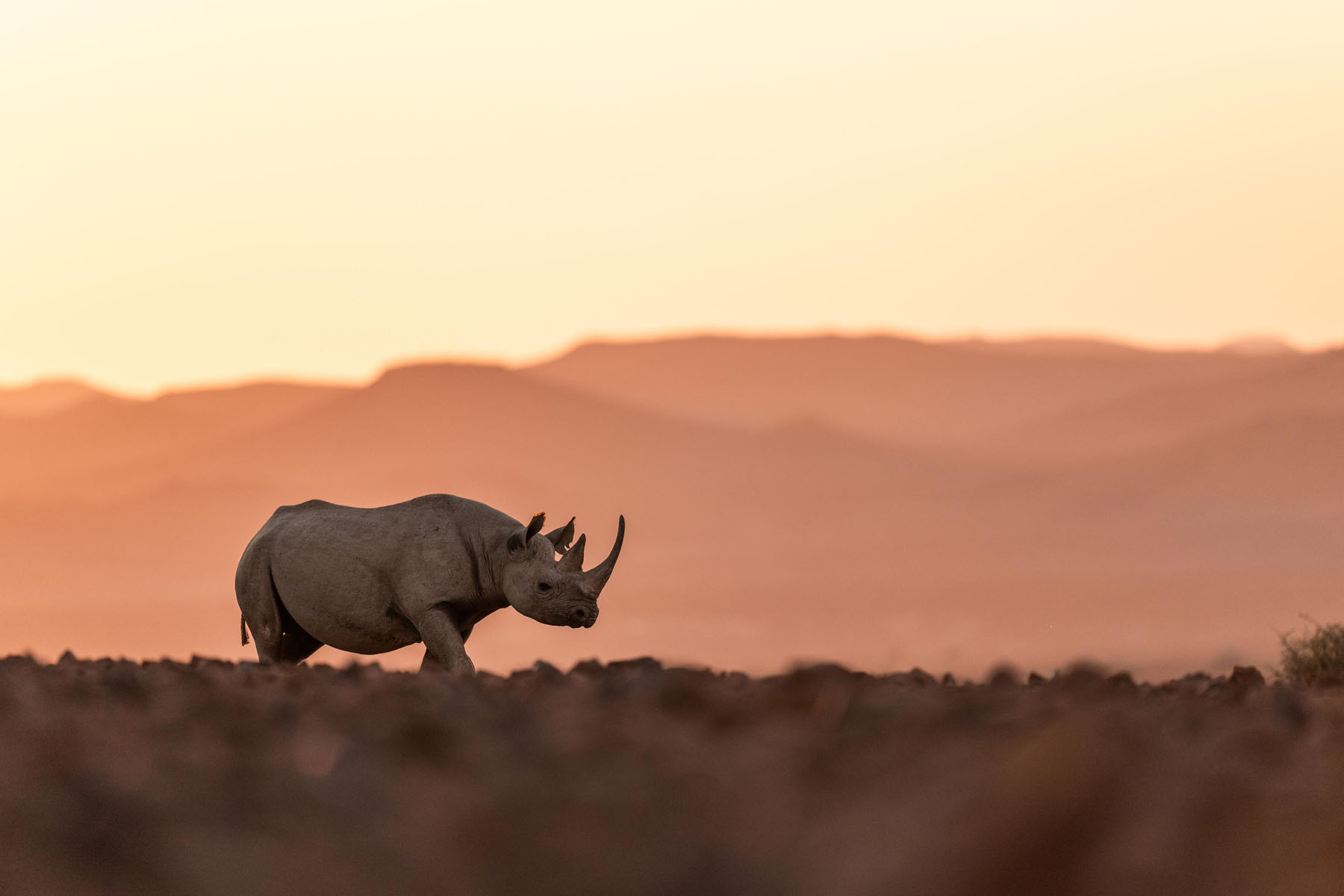
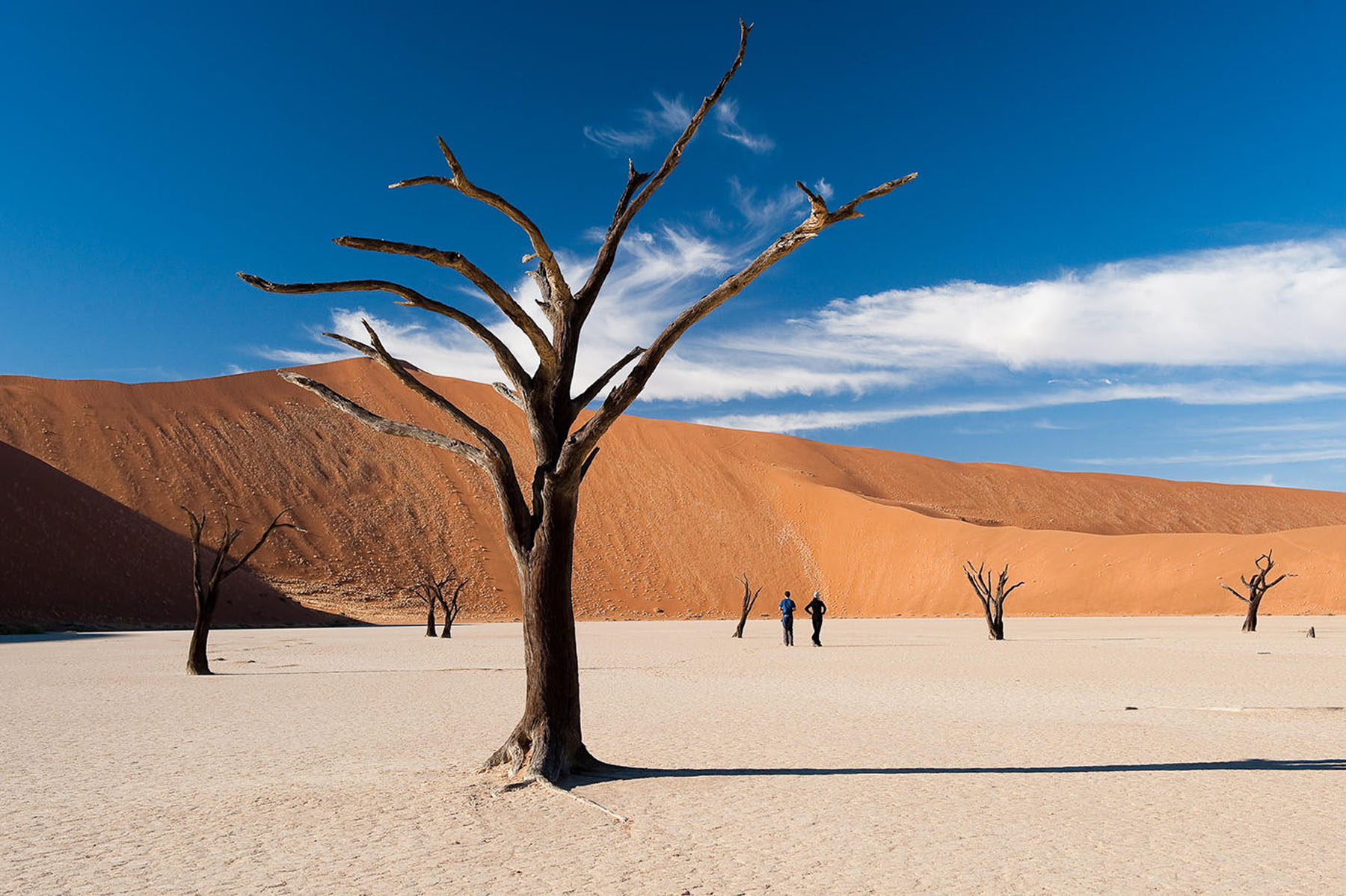
The Namib is the oldest desert on earth. The dunes at Sossusvlei shift from pink to red to deep orange as the light moves, climbing them before sunrise, watching the colours arrive, quiets everything else. The Skeleton Coast is stranger: fog from the Atlantic, shipwrecks in the sand, desert meeting ocean. Etosha's salt pans gather wildlife at waterholes with theatrical intimacy, black rhino at dusk, desert-adapted elephant digging for water in ground that appears to have none.
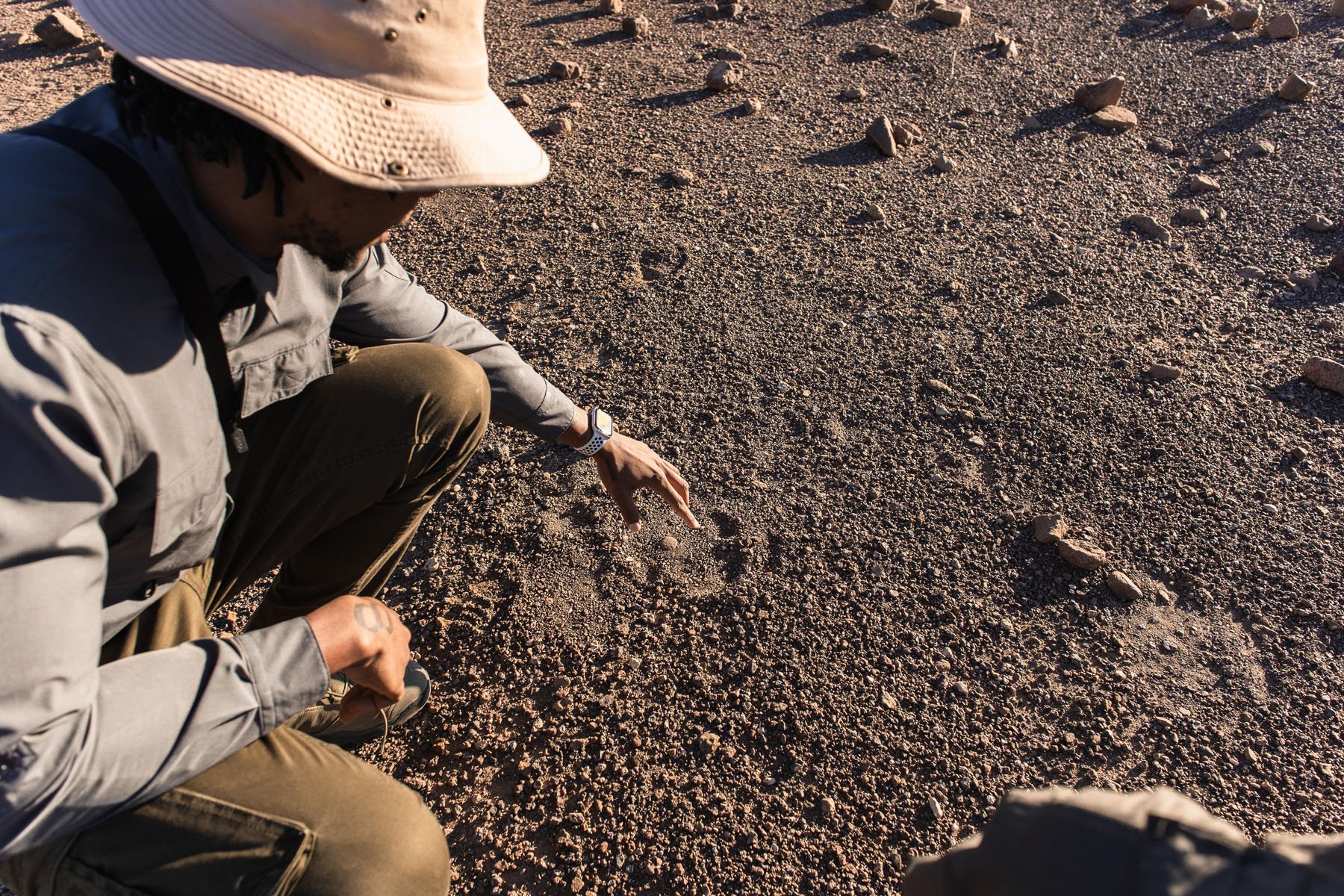
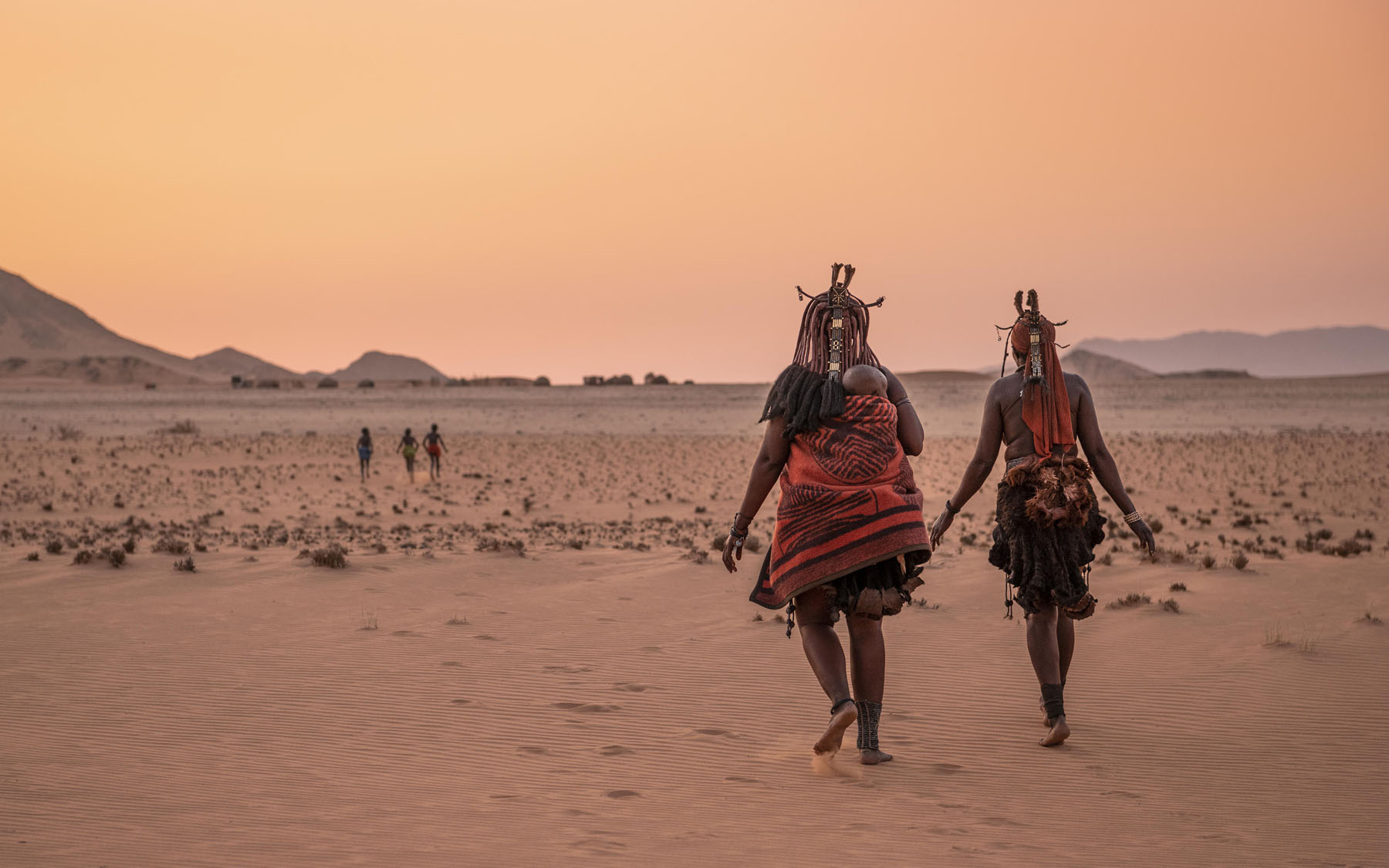
Spend an afternoon with a San tracker and your understanding of intelligence changes. They read this land in a language built over tens of thousands of years, tracks, plants, the behaviour of beetles, the direction of the wind. A tracker once stopped mid-sentence to point out a gemsbok three kilometres away that none of us had seen. Then explained, quietly, exactly how he had known it was there.

- Climb the rust-red dunes of Sossusvlei and watch the colours arrive at sunrise
- Spend an afternoon with a San tracker and let your understanding of intelligence change
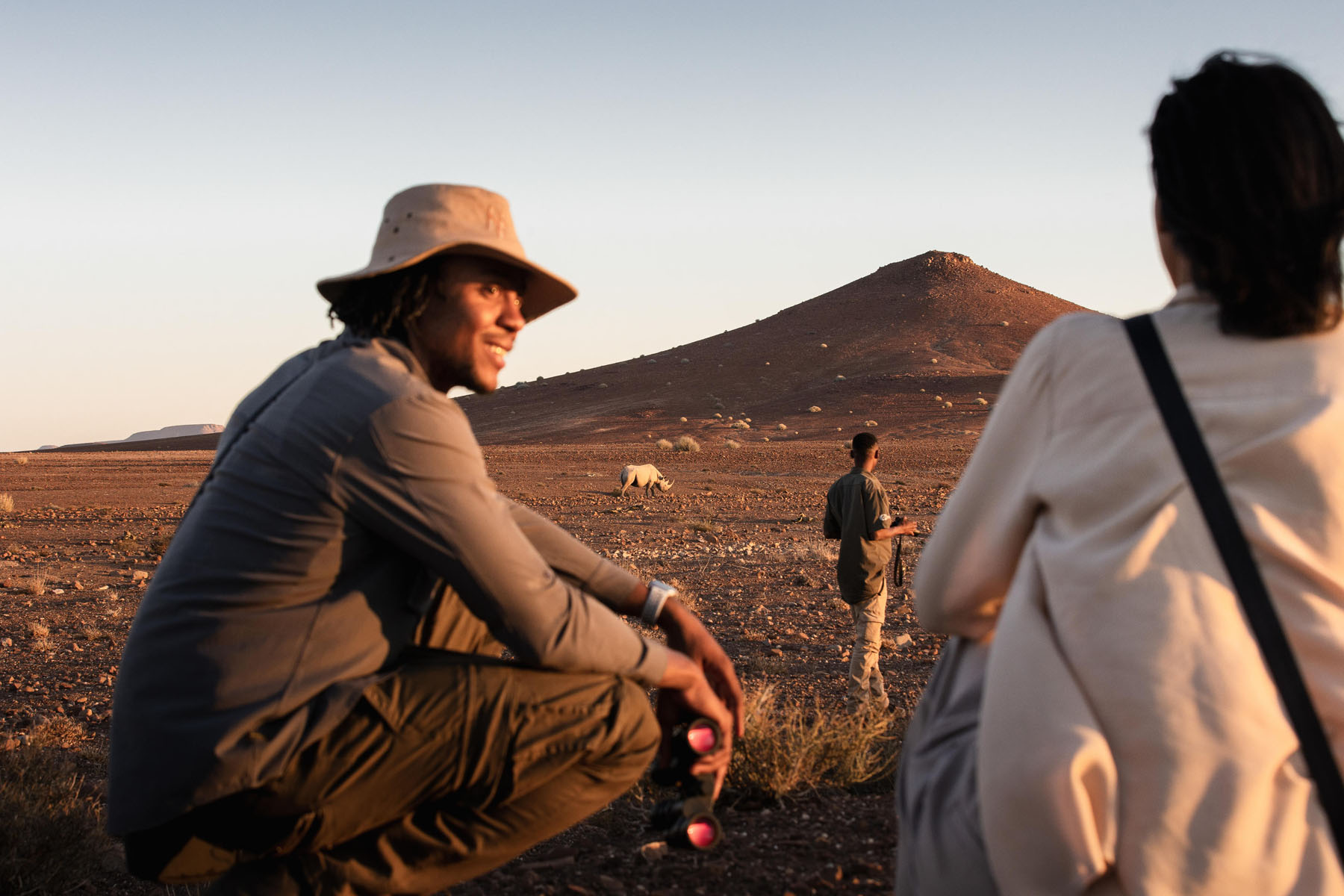
- Track desert-adapted black rhino on a guided walk in Damaraland
- Follow the Skeleton Coast where the Atlantic fog meets the oldest desert on earth

BEST TIME TO TRAVEL
May - October: Dry season (best for wildlife sightings)
March - April: Cooler season with rare rainfall (best for the desert)

what we love
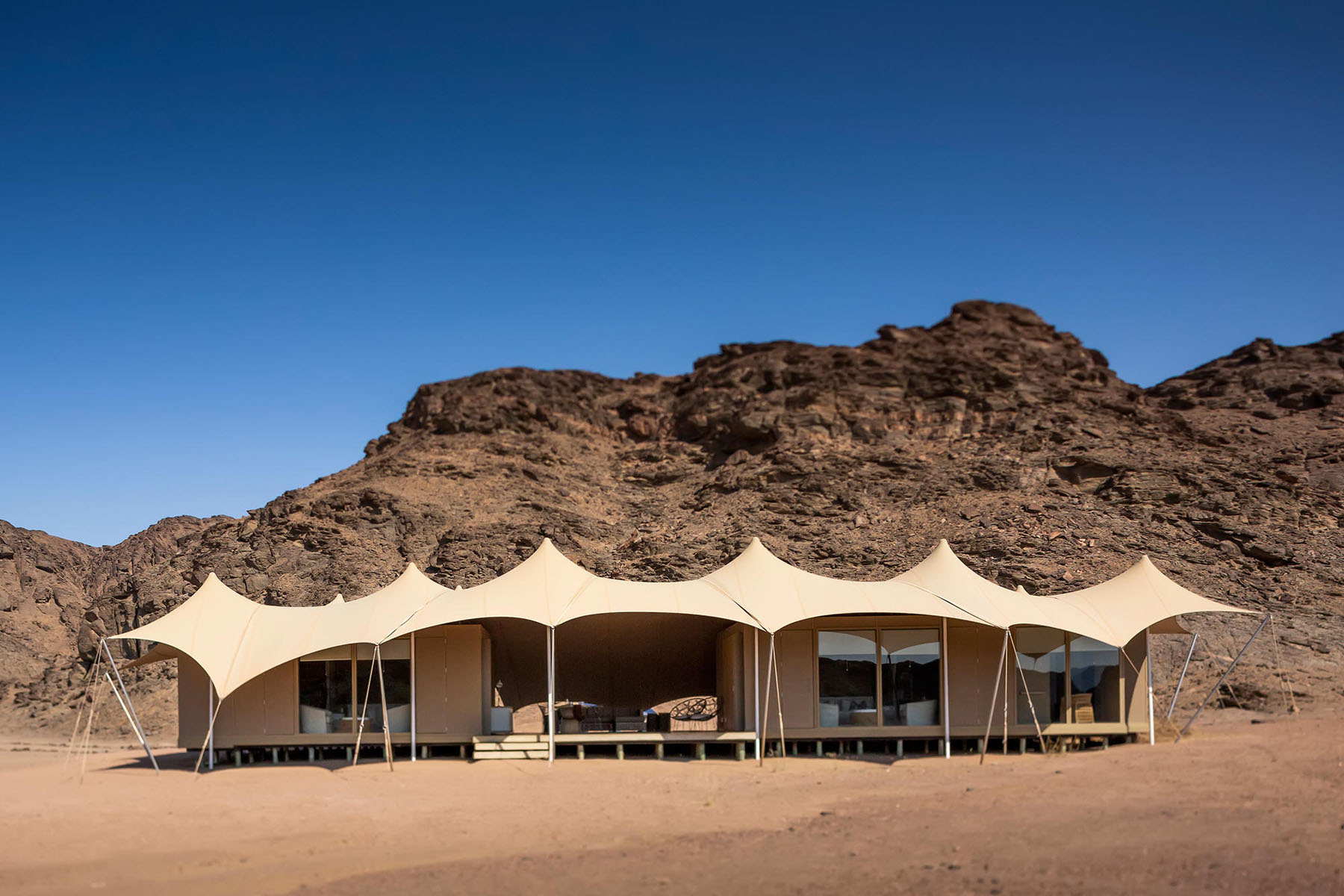
The Namibian Landscape
Vast, a silence so complete it feels like the earth is simply breathing.
San Rock Art
Figures painted on ancient stone over tens of thousands of years, from a time when humans lived in complete symbiosis with nature. Still vivid. Still present.
Etosha at a Waterhole
Predator and prey drinking from the same water. The tension is absolute and entirely silent.
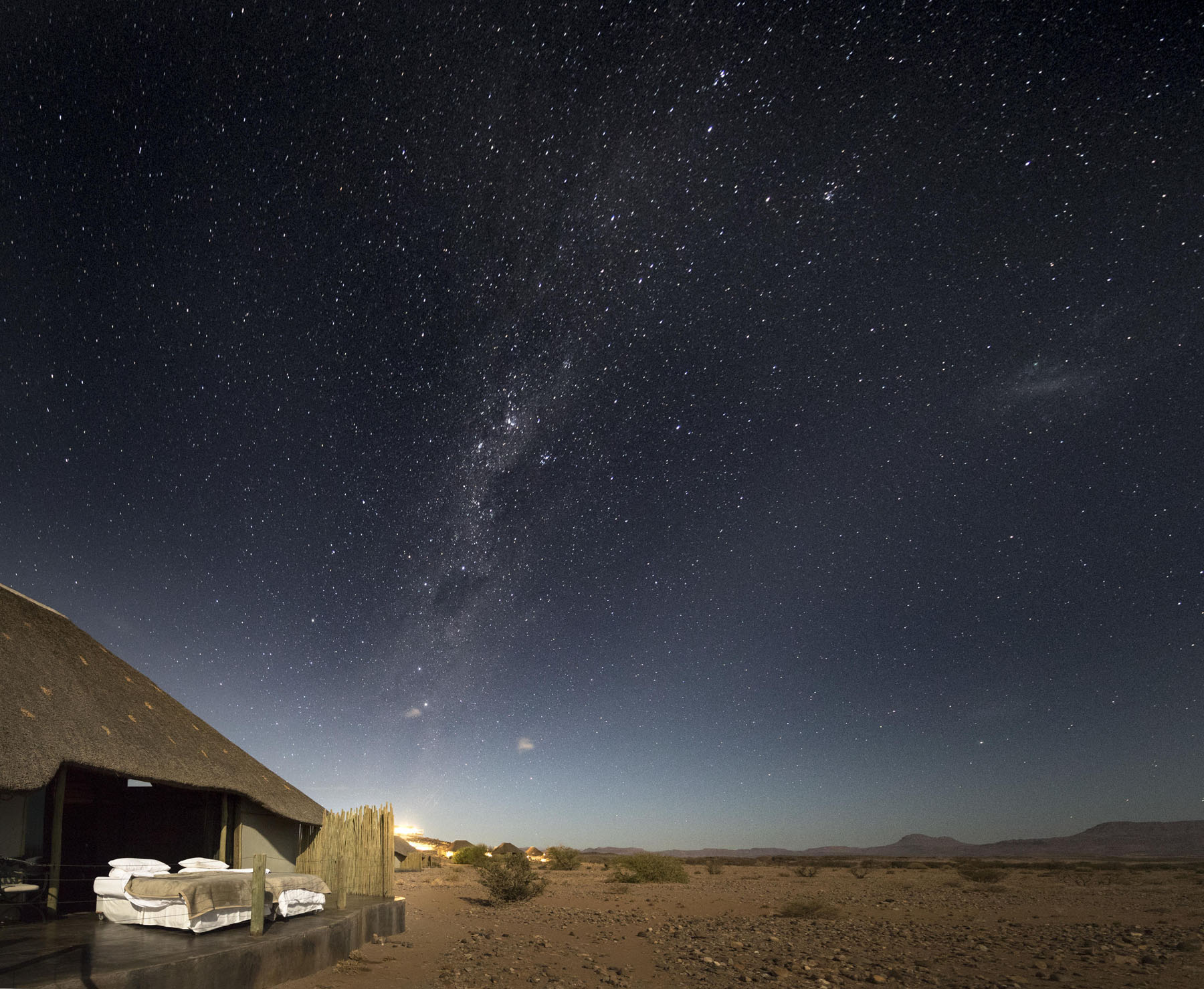
The Namibian Night Sky
Lying on your back in the desert, the stars so close the usual distance between you and everything else simply goes.
Travel to
Namibia
with us
