


The flat-topped acacia and the ancient baobab.
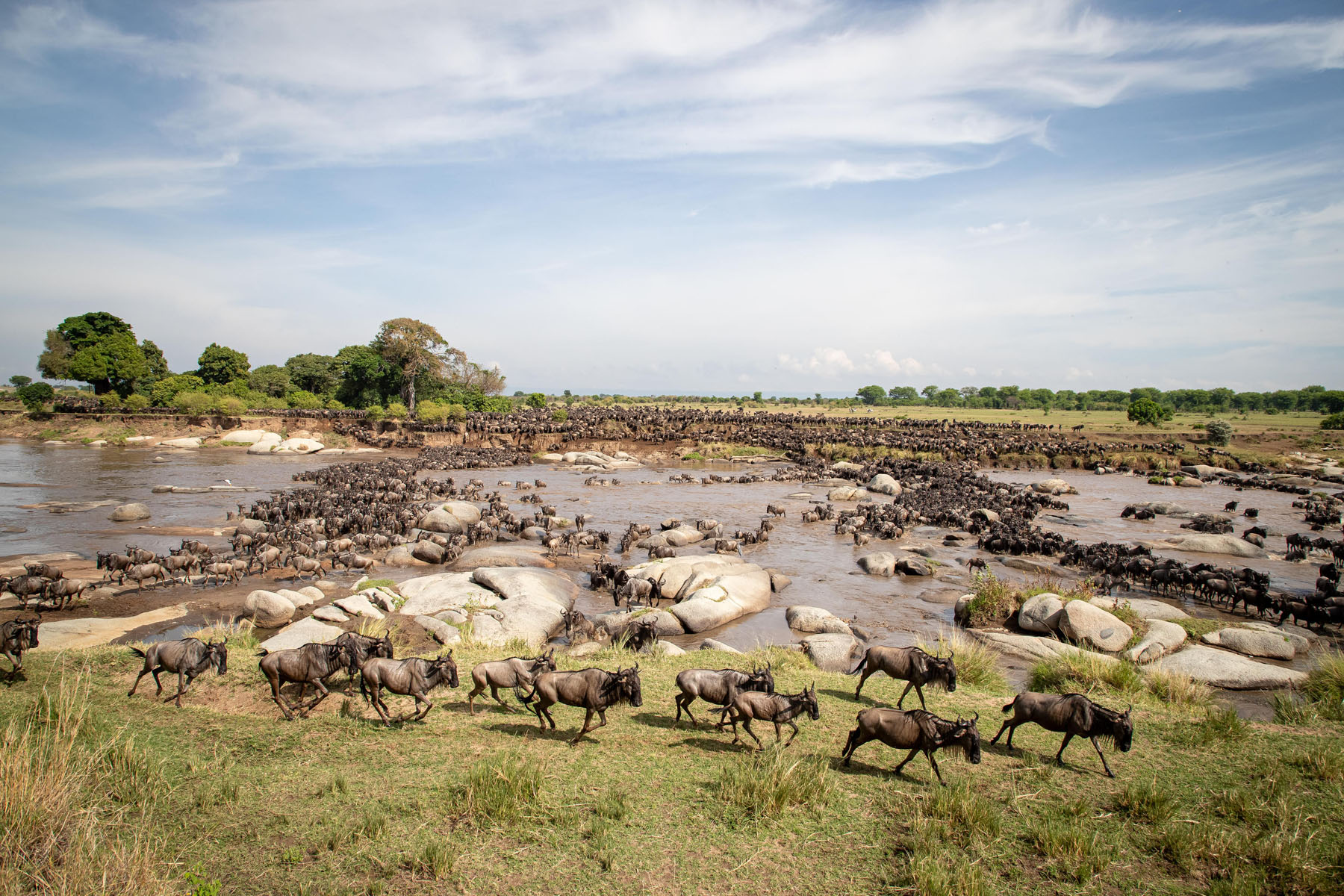
Two trees that have defined this landscape for longer than anyone can measure. In the Serengeti, the largest unbroken savannah on earth, the great wildebeest migration plays out as it has for millions of years. A spectacle so vast and so ancient that standing inside it, the usual sense of scale simply stops working.
The Ngorongoro Crater is a world within a world, an ancient caldera, walls rising on every side. The Maasai have grazed their cattle here for centuries, living alongside the wildlife as they always have. The south, Ruaha, Selous, is wilder still, fewer visitors, the encounters intimate and unshared.
Zanzibar is where you end it. An island shaped by the Arab spice trade, its coral architecture and labyrinthine streets carrying centuries of exchange. Spice, ocean, Stone Town at dusk.
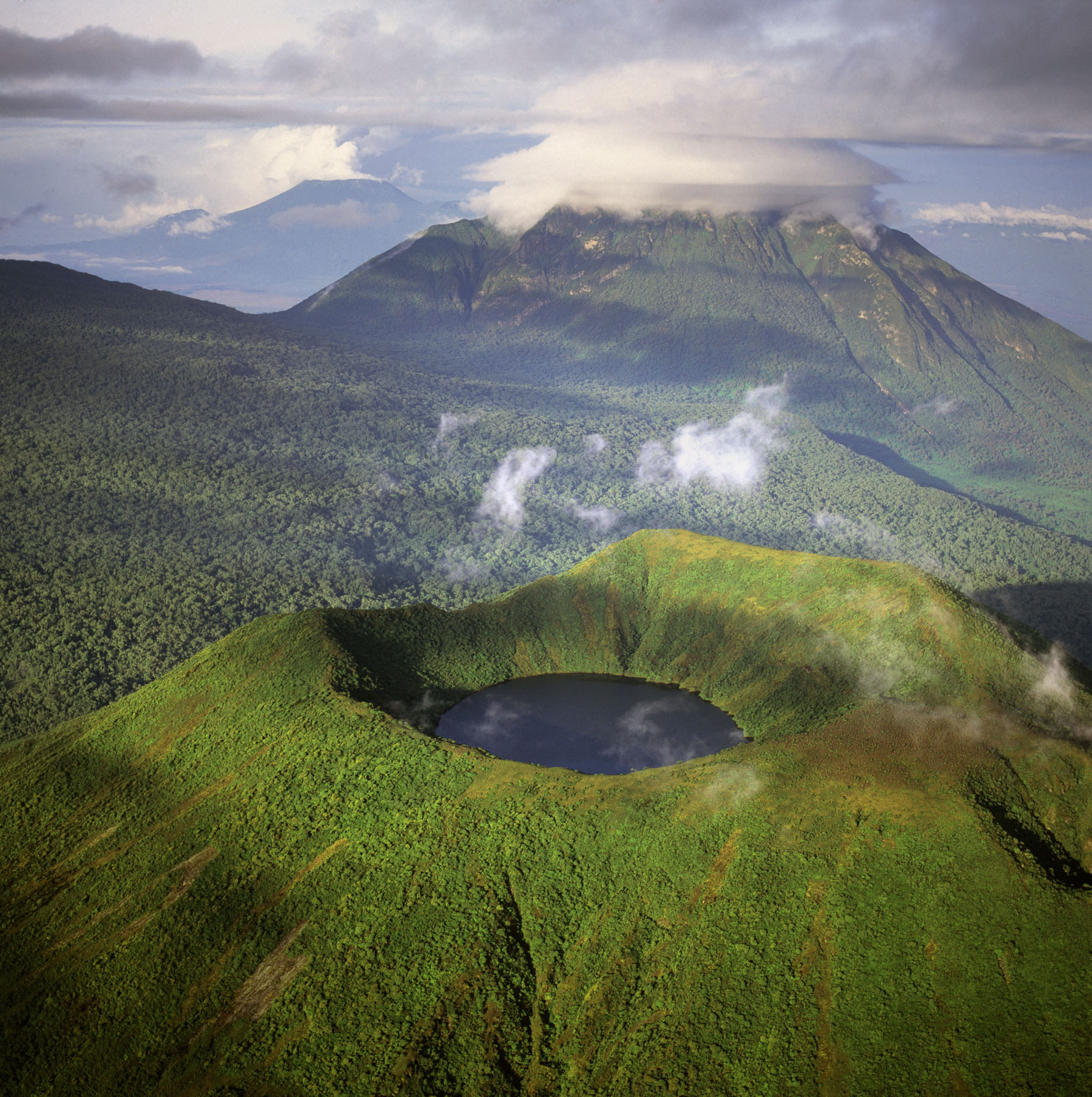
- Descend into the self-contained world of Ngorongoro Crater
- Drift the waterways of Selous by boat at dusk
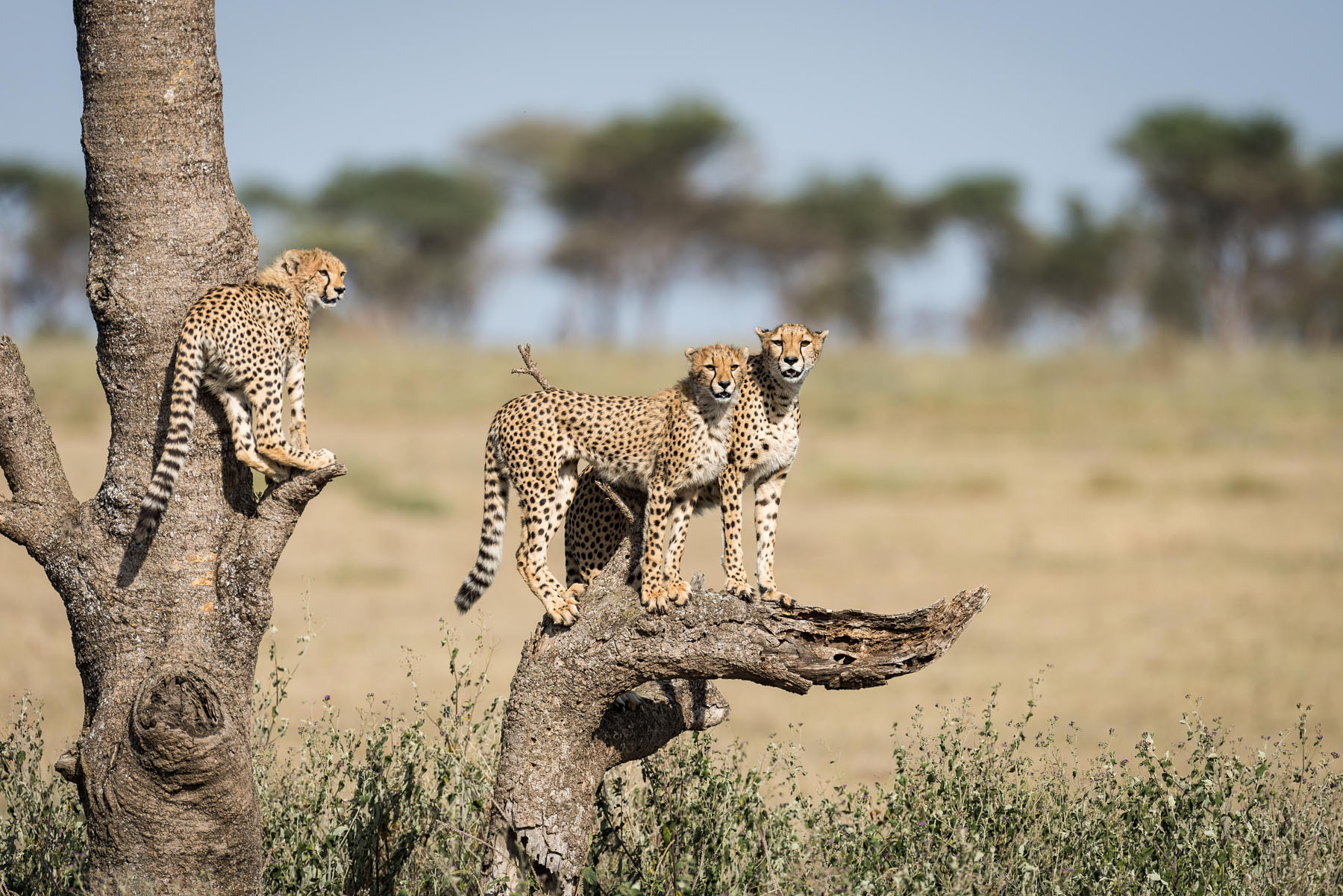
- Track cheetah across the short grass plains at dawn
- Sleep under canvas on the endless Serengeti plains

BEST TIME TO TRAVEL
June–October: For the migration and dry season.
January–March : For calving season in the southern Serengeti.


what we love
Dawn on the Serengeti
The light arriving fast, the plain coming alive, a million years of the same morning happening again and yet different every day.
The ancient stone formations of the Serengeti
Some used by early settlements long before the wildlife became the story, a layer of human history most visitors never notice./
The southern circuit
Ruaha and Selous, where the wilderness is complete and the encounters are entirely unshared.
Zanzibar after a safari
Spice, ocean, Swahili culture, Stone Town at dusk, the dolphins, the contrast part of the pleasure.
Travel to
Tanzania
with us
